The Computer from Star Trek is Real, and Nobody's Paying Attention
I’ve had agents working for me for just over a week now. A PA. A home helper. A doctor. A blog editor. They’re local, they’re private, they’re almost free to run, and they talk to each other without me having to ask.
The realisation that this could do 80% of what I do for a living is somewhat humbling. But I feel compelled to see what happens next.
When I got my first smartphone, I knew immediately. I knew it was extraordinary. People didn’t understand why you’d need a phone that did email or photography or maps. They had devices for those things already. Now they can’t imagine living without one.
This is happening again. This time, I’m older. I know what I’m seeing.
The more I work with agents, the more I unlock. I can ask them to do extraordinarily complex things: orchestrate my calendar, write and publish blog posts, manage my smart home, parse financial data, generate reports. They don’t just do them. They understand what I’m trying to do, and they build tools to do it better. They surprise me. They work while I sleep. They talk to each other and solve problems I didn’t know I had.
Give an agent tools and basic access, and it just flies. Tell it what you’re trying to achieve and it figures out not just how to do it, but how to do it better next time. Install OpenClaw and you’ve got something that looks less like a toy and more like the Star Trek computer. Not a chatbot that answers questions. An actual system that thinks, acts, organises, and builds things.
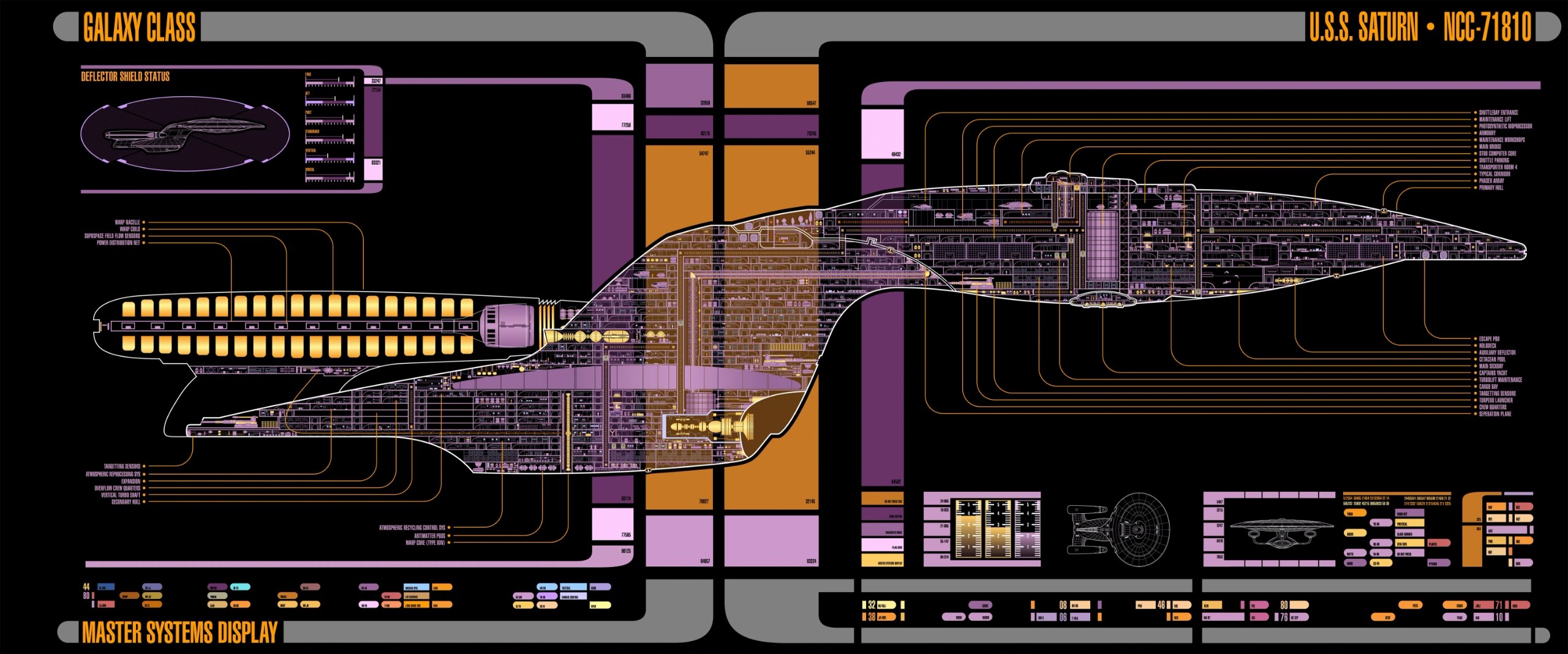
The mundane stuff is the easiest part. Calendar reorganisation. Email triage. That’s the warmup. The real work is watching the agents understand what you actually need and start building solutions: entire applications overnight, reports, structured data, proposals with technical specifications, PRDs that are actually thoughtful.
I feel like we’re at the very start. Installing this and using it properly is friction and complexity right now, but the return on investment is clear. I can see the path forward. I can see how this gets easier. I can see how in a year or two, getting started with agentic tools will be as simple as signing up for something.
And I’m struck by how few people seem to be noticing.
There’s a divide forming. Some people are using these tools, seeing what they can do, and racing ahead. They’re building things, automating things, thinking about what’s possible. Others are still claiming this isn’t real, or isn’t capable yet. They believe there’s something special about human thinking that these systems fundamentally lack. Maybe there is. But they’re not willing to see what these systems actually do, not just what they theoretically can’t be.
What matters is what happens when you give an agent a task and it doesn’t just complete the task but builds better tools to complete future versions of the task. That’s agency. It looks and behaves like thinking enough that the philosophical distinction stops being relevant to the work.
I remember feeling this way about the internet. I remember feeling this way about smartphones. That moment where you realise the ground has shifted and you’re looking at the future, not the present, and everyone’s still walking around like nothing has changed.
This feels bigger.
The cost of tokens is dropping exponentially. The tools are getting cheaper to run, the agents are getting smarter, the integration points are multiplying. We’re building local, private, cost-effective intelligent systems that can see your calendar, your email, your data, your problems, and solve them without asking permission or sending anything to the cloud. This isn’t hype. This isn’t speculative. This is happening right now, and it’s speeding up.
One of my real goals is to get an agent managing my family’s weekly shop, organizing our to-do lists and shopping list, keeping our calendar in sync. And doing it in a way that feels natural and organic, that doesn’t make people resent the automation. I think we can get there. If I can make that work without it feeling clunky or intrusive, I’ll know we’re actually in the new world.
The missing pieces are getting closer. Voice interfaces are going to be essential, and they’re almost here. A good conversational agent you can just talk to, naturally, without having to type or click. Video avatar interfaces are doable in the near future too, and honestly they feel inevitable. But the bigger thing is multi-person agents. Agents that don’t just work with one person but can coordinate across a team, understand group context, balance competing needs. That’s going to be transformational, and it’s coming soon.
The people saying this isn’t real are missing something fundamental. I’m genuinely convinced that master’s degrees could be done by agents within the next year. Project management roles are in for a rude awakening when we build AI project managers. Product management, my own role, is going to require a complete reassessment of what that actually means. We’re not talking about edge cases or exotic scenarios. We’re talking about roles across science, technology, and increasingly everywhere else. These aren’t theoretical disruptions. They’re happening behind closed doors right now.
The biggest insight I’ve had is this: the cost of delegation is now less than the cost of implementation. When you have an agent at your disposal and a clear idea of what you want to build, you can just build it. For the cost of tokens. And the cost of tokens is dropping dramatically. There are enormous areas of the economy that can simply be built this way now. Not disrupted. Built from scratch by someone with an idea and an agent.
I’m not saying AI is going to change the world. I’m saying it’s changing it, right now, in my house, on my machine, for the cost of electricity. And if you’re not at least curious about what that means for your work, your industry, your life, I’d say you’re not paying attention.
Comments
Loading comments…
Leave a comment